 Fairy Tales, Stories & Games for Kids Fairy Tales, Stories & Games for Kids
Safety by age
- No honey under 1 year: risk of infant botulism.
- After age 1: small amounts as part of a balanced diet.
- Allergy history? Start with tiny amounts and observe.
Why use it (in moderation)
- Quick energy: helpful before active play.
- Alternative sweetener: a light drizzle on yogurt, oats, or cottage cheese.
- Soothing warm drinks: a little honey in warm water/lemon for comfort (not a medical treatment).
Portions & teeth
Because honey is sticky and sweet, keep servings small — about 1 teaspoon per day for young children — offer water afterwards, and keep daily toothbrushing consistent.
Simple serving ideas
- Yogurt + banana + a thin line of honey
- Oatmeal with 1 tsp honey and a pinch of cinnamon
- Whole-grain toast with nut butter + a few drops of honey
- Warm milk/plant drink + honey (not right before sleep; brush teeth later)
Quality, labels, storage
- Source: buy from trusted brands or local beekeepers; check the ingredient list.
- Crystallization is normal: gently warm the jar in a lukewarm water bath.
- Store: cool, dry, dark place; tightly closed; no need to refrigerate.
Common mistakes
- Giving honey to infants under 1
- Serving too much at once
- Using honey as a “medicine” instead of consulting a clinician
NUK’s note
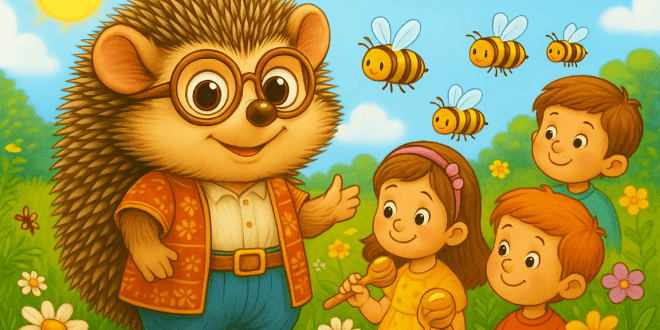
Honey is delicious and can be part of a healthy pattern when used sparingly at the right age. Bees are little heroes of nature — let’s enjoy honey wisely and teach respect for nature.
FAQs
How much honey per day? Around 1 teaspoon for young kids is plenty; consider total sugar intake. Does it help a cough? A warm drink with a little honey can feel soothing, but it’s not a substitute for medical care.
 Explore more nutrition posts here.